

What is the history of forged wheels?
Forged wheels have a rich and storied history that dates back several decades. As a leading supplier of forged wheels, we at [Our Supplier] take great pride in understanding the journey of these remarkable automotive components. To gain a full appreciation of forged wheels, it is essential to explore their origins, evolution, and the technological advancements that have made them a top choice for automotive enthusiasts worldwide.
Origins of Forged Wheels
The concept of forging metal for strength and durability has been around for thousands of years. However, the application of forging techniques to automotive wheels is a more recent development. In the early days of the automotive industry, wheels were typically made from steel or cast iron. These materials were heavy and lacked the strength and performance characteristics that are now associated with forged wheels.
The first significant step in the development of forged wheels came in the mid-20th century with the introduction of aluminum alloys. Aluminum is a lightweight and corrosion-resistant material that offered several advantages over traditional steel and cast iron wheels. However, early aluminum wheels were often cast, which meant they were made by pouring molten aluminum into a mold. While cast wheels were lighter than their steel counterparts, they still lacked the strength and precision of forged wheels.
The Birth of Forged Wheels
The true birth of forged wheels can be traced back to the 1960s and 1970s, when automotive manufacturers and racing teams began to explore the potential of forging aluminum alloys. Forging involves applying extreme pressure to a solid block of aluminum to shape it into the desired form. This process aligns the metal's grain structure, resulting in a wheel that is stronger, lighter, and more durable than a cast wheel.

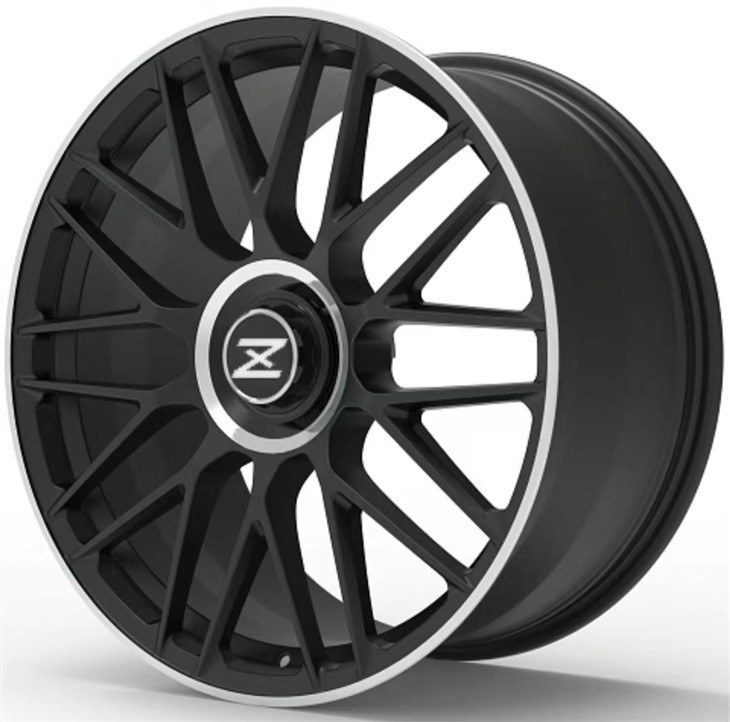
One of the earliest adopters of forged wheels was the racing industry. In the high-stakes world of motorsport, where every ounce of weight and every bit of performance counts, forged wheels quickly became the preferred choice for racing teams. The lightweight nature of forged wheels allowed cars to accelerate faster, brake more efficiently, and handle better on the track. Additionally, the strength and durability of forged wheels made them better able to withstand the extreme forces and stresses of racing.
Evolution of Forged Wheels
As the benefits of forged wheels became more widely recognized, their use began to expand beyond the racing world and into the mainstream automotive market. In the 1980s and 1990s, luxury car manufacturers started to offer forged wheels as an optional upgrade on their high-performance models. These forged wheels not only improved the performance of the vehicles but also added a touch of style and sophistication.
During this period, advancements in forging technology continued to improve the quality and performance of forged wheels. New alloy compositions were developed that offered even greater strength and weight savings. Additionally, computer-aided design (CAD) and computer-aided manufacturing (CAM) techniques were introduced, allowing for more precise and complex wheel designs.
In the 21st century, forged wheels have become even more popular, thanks in part to the growing demand for high-performance and luxury vehicles. Today, forged wheels are available in a wide range of sizes, styles, and finishes to suit the needs and preferences of every automotive enthusiast. Whether you're looking for a set of sleek and sporty wheels for your sports car or a set of elegant and luxurious wheels for your luxury sedan, there is a forged wheel option available for you.
Technological Advancements in Forged Wheels
Over the years, several technological advancements have further enhanced the performance and quality of forged wheels. One of the most significant advancements is the development of multi-piece forged wheels. Multi-piece forged wheels are made by combining two or more separately forged components, such as the center section and the outer rim. This allows for greater design flexibility and customization options, as well as the ability to optimize the strength and weight distribution of the wheel.
Another important technological advancement is the use of advanced surface treatments and coatings. These treatments and coatings can improve the corrosion resistance, durability, and appearance of forged wheels. For example, some forged wheels are treated with a hard anodized coating, which provides a protective layer that resists scratches, chips, and corrosion.
In addition to these advancements, the use of advanced manufacturing techniques, such as computer numerically controlled (CNC) machining, has also significantly improved the precision and quality of forged wheels. CNC machining allows for the production of wheels with extremely tight tolerances, ensuring a perfect fit and finish.
Our Forged Wheel Offerings
As a leading supplier of forged wheels, we offer a wide range of high-quality forged wheels to meet the needs of our customers. Our product lineup includes 26 Inch Forged Rims, which are perfect for those looking to make a bold statement with their vehicle. These large-diameter wheels offer a unique and aggressive look that is sure to turn heads.
We also offer Car Rims 19x9.5 And 19x11.5 Gloss Black Customized For Benz, which are specifically designed to fit Mercedes-Benz vehicles. These rims are available in a stylish gloss black finish and can be customized to meet the specific requirements of your vehicle.
In addition to our standard offerings, we also offer Hyper Forged Wheel, which are a revolutionary new type of forged wheel. Hyper forged wheels are made using a unique manufacturing process that combines the strength and durability of traditional forged wheels with the lightweight properties of aluminum alloy. The result is a wheel that offers superior performance and handling, while also reducing unsprung weight and improving fuel efficiency.
Conclusion
The history of forged wheels is a fascinating story of innovation, technology, and performance. From their humble beginnings in the racing industry to their widespread use in the mainstream automotive market, forged wheels have come a long way in a relatively short period of time. Thanks to ongoing technological advancements, forged wheels continue to offer superior performance, strength, and durability compared to traditional cast wheels.
If you're in the market for a high-quality set of wheels for your vehicle, we invite you to explore our range of forged wheels. Our team of experts is available to assist you in selecting the perfect wheels for your needs and budget. Whether you're looking for a set of wheels for your daily driver or a high-performance sports car, we have the expertise and the products to meet your requirements. Contact us today to start the conversation and take your vehicle to the next level with our premium forged wheels.
References
- "The History of Wheels in the Automotive Industry" - Automotive History Journal
- "Forged Wheels: A Comprehensive Guide" - Performance Wheels Magazine
- "Advancements in Forging Technology" - Metalworking and Manufacturing Review