

Do forged car wheels affect the steering response? This is a question that many car enthusiasts and professional drivers often ponder. As a supplier of forged car wheels, I have in - depth knowledge and experience in this field, and I'm eager to share my insights with you.
The Basics of Forged Car Wheels
Forged car wheels are crafted through a process where a solid block of metal, typically aluminum or titanium, is subjected to extreme pressure to form the desired wheel shape. This manufacturing method results in wheels that are not only incredibly strong but also lightweight compared to cast wheels.
One of our popular products, the Modification Aftermarket Dually Wheel Hub, is made using advanced forging techniques. It is constructed from high - quality materials, ensuring durability and performance. Another great option is the T6 - 6061 Aluminum Alloy ST8. The T6 - 6061 aluminum alloy is well - known for its excellent strength - to - weight ratio, making it an ideal choice for high - performance forged wheels. And our Monoblock Ultra Racing Wheels are designed specifically for racing applications, with a focus on reducing unsprung weight and enhancing overall performance.
How Steering Response Works
Before delving into how forged wheels affect steering response, it's essential to understand how steering response functions. Steering response refers to how quickly and accurately a vehicle's wheels turn in response to the driver's input on the steering wheel. A variety of factors influence steering response, including the vehicle's suspension system, tire characteristics, and the weight and balance of the wheels.
The steering system consists of a series of components that transfer the driver's steering input to the wheels. When you turn the steering wheel, the steering column rotates, which in turn activates the steering gear. The steering gear then converts the rotational motion into linear motion, moving the tie - rods and ultimately turning the wheels. Any delay or inefficiency in this process can result in a less - than - optimal steering response.
Impact of Forged Wheels on Steering Response
Reduced Unsprung Weight
One of the most significant advantages of forged wheels is their reduced unsprung weight. Unsprung weight refers to the weight of components that are not supported by the vehicle's suspension, such as the wheels, tires, brakes, and a portion of the suspension components themselves. When the unsprung weight is lower, the suspension can react more quickly to changes in the road surface.
With forged wheels, the lighter weight allows the suspension to move up and down more freely. This means that the wheels can maintain better contact with the road, especially during cornering and over uneven surfaces. As a result, the steering system can more accurately translate the driver's input into wheel movement, leading to a quicker and more precise steering response.
For example, in a high - speed corner, a vehicle with forged wheels can adjust the wheel position more rapidly to follow the intended path. The reduced unsprung weight also helps to minimize the amount of energy lost in the suspension system, allowing more of the steering input to be effectively transferred to the wheels.
Improved Strength and Rigidity
Forged wheels are known for their high strength and rigidity. Unlike cast wheels, which may have internal voids or inconsistencies, forged wheels are made from a single, solid piece of metal. This uniform structure provides better resistance to deformation under stress.
When a vehicle is turning, the wheels are subjected to significant lateral forces. A rigid wheel will maintain its shape better, ensuring that the tire remains in the correct position relative to the road surface. This stability is crucial for accurate steering response. If a wheel were to flex or deform during a turn, it could cause the tire to slip or lose traction, resulting in a delayed or inaccurate steering response.
Our forged wheels, such as the Monoblock Ultra Racing Wheels, are engineered to withstand high - stress situations. Their robust construction allows them to handle the intense forces generated during aggressive driving, providing a consistent and reliable steering experience.
Enhanced Balance
Proper wheel balance is essential for optimal steering response. Forged wheels can be more precisely balanced compared to other types of wheels. During the forging process, the metal can be shaped with greater accuracy, resulting in a more evenly distributed mass around the wheel.

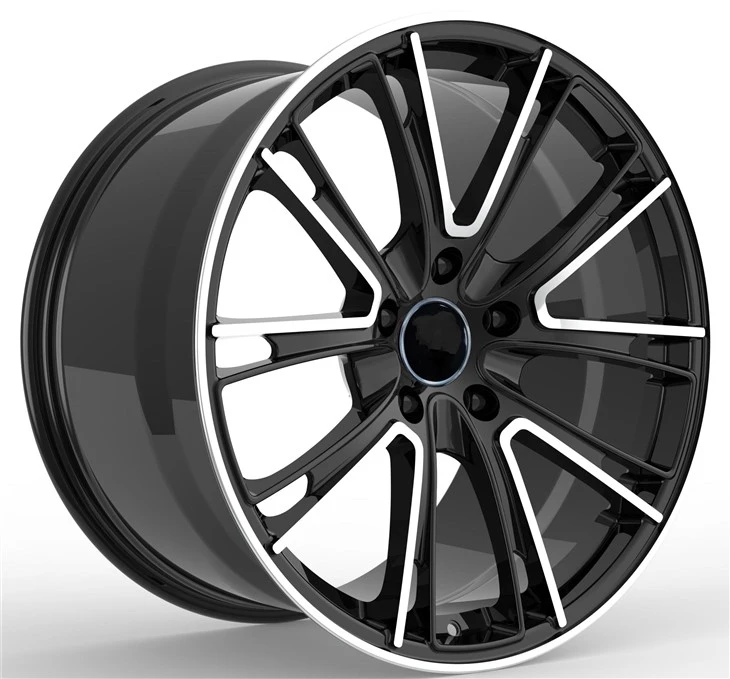
An unbalanced wheel can cause vibrations at high speeds, which can interfere with the steering system's ability to operate smoothly. These vibrations can make it difficult for the driver to feel the steering feedback accurately and can also lead to premature wear on the steering components.
With forged wheels, the improved balance reduces vibrations and ensures that the steering system can function at its best. This leads to a more comfortable and responsive driving experience, whether you're cruising on the highway or taking on a challenging race track.
Real - World Examples
To illustrate the impact of forged wheels on steering response, let's consider a real - world scenario. Imagine two identical sports cars, one equipped with cast wheels and the other with forged wheels. When both cars enter a sharp corner at high speed, the car with forged wheels will be able to turn in more quickly and precisely. The reduced unsprung weight allows the suspension to react faster, keeping the tires firmly planted on the road.
The driver of the car with forged wheels will feel a more direct connection between the steering wheel and the wheels. There will be less delay in the steering response, and the car will follow the intended line more accurately. In contrast, the car with cast wheels may experience more understeer or oversteer, as the heavier unsprung weight and potentially less - rigid wheels can cause the tires to lose traction more easily.
Conclusion
In conclusion, forged car wheels have a significant positive impact on steering response. Their reduced unsprung weight, improved strength and rigidity, and enhanced balance all contribute to a quicker, more precise, and more reliable steering experience. Whether you're a casual driver looking for a more enjoyable ride or a professional racer seeking every possible advantage, upgrading to forged wheels can make a noticeable difference in your vehicle's performance.
If you're interested in learning more about our forged car wheels or are considering a purchase, I encourage you to reach out to us. We have a team of experts who can provide you with detailed information and help you select the right wheels for your specific needs. Don't miss out on the opportunity to enhance your vehicle's steering response and overall performance with our high - quality forged wheels.
References
- Milliken, William F., and Douglas L. Milliken. Race Car Vehicle Dynamics. Society of Automotive Engineers, 1995.
- Gillespie, Thomas D. Fundamentals of Vehicle Dynamics. Society of Automotive Engineers, 1992.